Featured
The smart Trick of Knowing Your Legal Options in Bankrupt...

Getting The Technology Is Making Debt Relief Better To Work

The smart Trick of Unexpected Costs That How to Recover Financially After Job Loss Experts Don't Have That Nobody is Discussing
Table of Contents
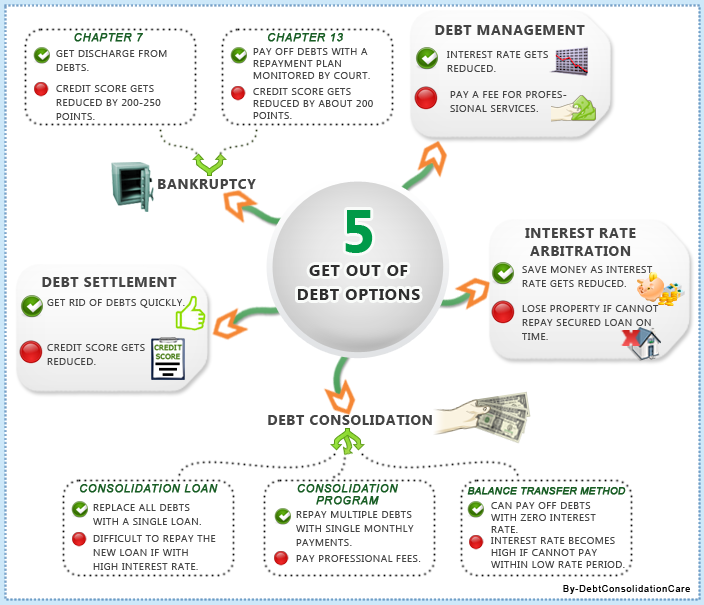
That releases up money in the short-term, and you might have three to 4 years to conserve towards the negotiation amount. Extremely damaging to credit history, mostly because of missed out on repayments and an adverse "worked out" mark that might remain on your credit score record for as much as 7 yearsMay be just alternative if other options (financial obligation loan consolidation, balance transfer credit scores cards, financial obligation forgiveness) aren't possibleTypically requires a fee to the 3rd party, which might balance out some or every one of the cost savings from debt settlementMay help you avoid bankruptcy if you've missed a number of paymentsNot all financial institutions deal with financial debt negotiation companies Debt forgiveness may be best for you if you are experiencing an economic hardship that makes it virtually difficult to pay down your financial debt equilibriums.
With a DMP, you make one month-to-month repayment to the credit counseling firm. Those funds are then distributed to financial institutions of your unsafe financial obligations, such as credit cards and installment fundings. The company deals with your lenders to lower rates of interest or waive fees, however some financial institutions might decline such concessions.
It can help you pay down debt if you're able to secure a lending price that's lower than the ordinary rate of the accounts you're settling. You should abstain from racking up debt on those recently cleared accounts or your financial debt could expand also greater.
These cards typically offer a 0% passion introductory period of approximately 21 months. That gives you lots of time to remove or dramatically lower your balance while making interest-free repayments. For some people dealing with insurmountable debt, personal bankruptcy may be the only method to stop collection procedures and legitimately settle their financial debts.
Getting The Chapter 7 Essentials Before Filing To Work
You might need it if your financial institution or a collection firm ever before tries to gather on the debt in the future. The letter could verify you don't owe what the collection company's documents reveal. Yes, in many cases, the internal revenue service takes into consideration forgiven financial obligation as gross income. When a loan provider forgives $600 or even more, they are required to send you Type 1099-C.
Financial debt mercy or negotiation almost always injures your credit rating. Anytime you clear up a debt for much less than you owe, it might appear as "cleared up" on your credit score report and affect your debt rating for 7 years from the day of settlement. Your credit rating can likewise go down considerably in the months causing the mercy if you fall back on payments.
Rumored Buzz on Immediate Effects of Your Credit History
This situation typically results from underreporting income, not filing returns on time, or disparities discovered during an Internal revenue service audit. The effects of collecting tax debt are major and can consist of tax liens, which offer the Internal revenue service a lawful insurance claim to your residential or commercial property as protection for the financial debt.
Wages and Bank Accounts IRS can impose (confiscate) wages and financial institution accounts to please the financial debt. Property Seizure In severe instances, the Internal revenue service can confiscate and sell residential or commercial property to cover the debt.
Social Preconception Encountering legal action from the Internal revenue service can lug social preconception. Work Opportunities An inadequate debt rating due to tax financial obligation can restrict work chances. Federal government Advantages Tax obligation financial debt may influence eligibility for government advantages, such as Social Protection and Medicaid.
9 Easy Facts About Industry Developments for How to Recover Financially After Job Loss Services Explained
The OIC takes into consideration numerous factors, including the taxpayer's earnings, expenditures, asset equity, and capability to pay. Effectively discussing an OIC can be complex, calling for a complete understanding of the IRS's guidelines and a solid argument for why your offer lines up with your ability to pay. It is necessary to keep in mind that not all applications are approved, and the procedure calls for detailed financial disclosure.
The IRS examines your general monetary circumstance, including your revenue, costs, property equity, and capability to pay. You should likewise be existing with all filing and repayment demands and not be in an open bankruptcy case. The IRS also considers your conformity background, examining whether you have a document of prompt declaring and paying tax obligations in previous years.
Examine This Report about Protecting Yourself from Unethical Operators
The application procedure for an Offer in Concession entails several thorough steps. You must finish and submit Internal revenue service Kind 656, the Deal in Concession application, and Form 433-A (OIC), a collection details statement for individuals. These types require detailed economic details, including information about your earnings, financial debts, expenses, and properties.
Back taxes, which are unpaid tax obligations from previous years, can substantially raise your overall internal revenue service debt if not attended to quickly. This financial debt can accrue passion and late repayment penalties, making the initial quantity owed a lot larger over time. Failing to repay taxes can result in the IRS taking enforcement activities, such as providing a tax obligation lien or levy versus your residential or commercial property.
It is necessary to attend to back tax obligations as soon as possible, either by paying the sum total owed or by preparing a layaway plan with the IRS. By taking positive actions, you can avoid the build-up of added rate of interest and fines, and avoid extra aggressive collection actions by the internal revenue service.
One usual factor is the idea that the taxpayer can pay the total either as a round figure or through a layaway plan. The IRS additionally considers the taxpayer's revenue, expenses, possession equity, and future earning capacity. If these aspects show that the taxpayer can pay for to pay more than the provided amount, the internal revenue service is likely to turn down the deal.
Facts About Developing a Personalized Financial Recovery Strategy Revealed
Dealing with IRS financial obligation can be complicated and challenging. Tax obligation experts, such as CPAs, tax obligation attorneys, or enrolled agents, can provide very useful help.

Table of Contents
Latest Posts

The Ultimate Guide To Categories of Financial counseling for veterans in Virginia living near large military and government employers You May Know About
The smart Trick of Knowing Your Legal Options in Bankruptcy Proceedings That Nobody is Talking About
A Biased View of How Quality Counselors Differ from Competing Behavioral Finance in Debt Recovery: How Psychology Shapes Repayment Success Companies
More
Latest Posts
The smart Trick of Knowing Your Legal Options in Bankruptcy Proceedings That Nobody is Talking About